

On this page
What you need to know now
An error needs a dated assessment of its tax effect and the correct current correction route. Do not apply the 2018 form instructions without checking later changes.
- Record when the error was discovered.
- Recalculate the affected period and tax difference.
- Retain the reasoning behind the chosen correction method.
Use the current correction rules
The Tax Procedures Executive Regulation was amended with effect from 1 April 2026 to clarify voluntary-disclosure procedures and align them with the amended Tax Procedures Law. Assess the error under those current rules, rather than treating the 2018 threshold and form instructions below as a complete present-day procedure.
Start with the error and discovery date
Before opening a correction form, establish what was wrong, the affected return or application and when the issue was identified. Preserve the original submission and source records. Distinguish an invoice error, an accounting omission and an incorrect tax treatment because their consequences can differ. Prepare a concise explanation supported by figures rather than assuming every discrepancy follows the same procedure simply because it appears in an old guide headed Form 211.
Calculate the effect period by period
Prepare a workpaper showing the original figures, corrected figures and resulting tax difference for each affected period. Trace changes back to invoices, credit notes, contracts or other evidence and explain the reason for each adjustment. Avoid netting unrelated errors together without checking whether that is appropriate. For example, a missing purchase and an incorrectly classified sale may need separate analysis even if their cash effects appear to offset in the bookkeeping records.
Apply the current correction procedure
The Tax Procedures Executive Regulation changed with effect from 1 April 2026. Use the current rules relevant to the error, period and tax effect rather than treating the 2018 form description or an old threshold as a complete present-day instruction. Check whether a voluntary disclosure or another permitted correction method applies and document that conclusion. If the position is uncertain, obtain advice on the specific issue before submitting an unexplained amendment.
Keep the submission and control response
Retain the approved calculation, explanation, supporting documents, submission acknowledgement and any subsequent FTA correspondence together. Record additional amounts or decisions separately from the original liability so the account can be reconciled. Then address why the error arose: missing invoice capture, an incorrect system code or an incomplete review may need a different control change. A correction file should explain both what was fixed and how the business will identify the same issue earlier in future. If several staff investigated the issue, retain one agreed chronology and approved calculation so different versions do not create contradictory explanations of the same error.
YOUR NEXT STEPS
A practical way forward
- 01
Step 1
Preserve the original return and evidence.
- 02
Step 2
Prepare a period-by-period correction workpaper.
- 03
Step 3
Check current FTA procedure before submitting.
CLEAR ANSWERS
Frequently asked questions
Is every error handled in the same way?
No. Tax effect, period and applicable rules matter.
Can I ignore an error because it is old?
No. Review the relevant correction and limitation rules.
Earlier article & background First published 11 July 2018 · retained for context
This earlier article is preserved for context. Its rates, deadlines, approvals and announcements may have been superseded. Use the current guidance and official references on this page for your next step.
VOLUNTARY DISCLOSURE FORM 211 -CORRECTING ERRORS ON YOUR VAT RETURN IN UAE
Voluntary Disclosure Form 211
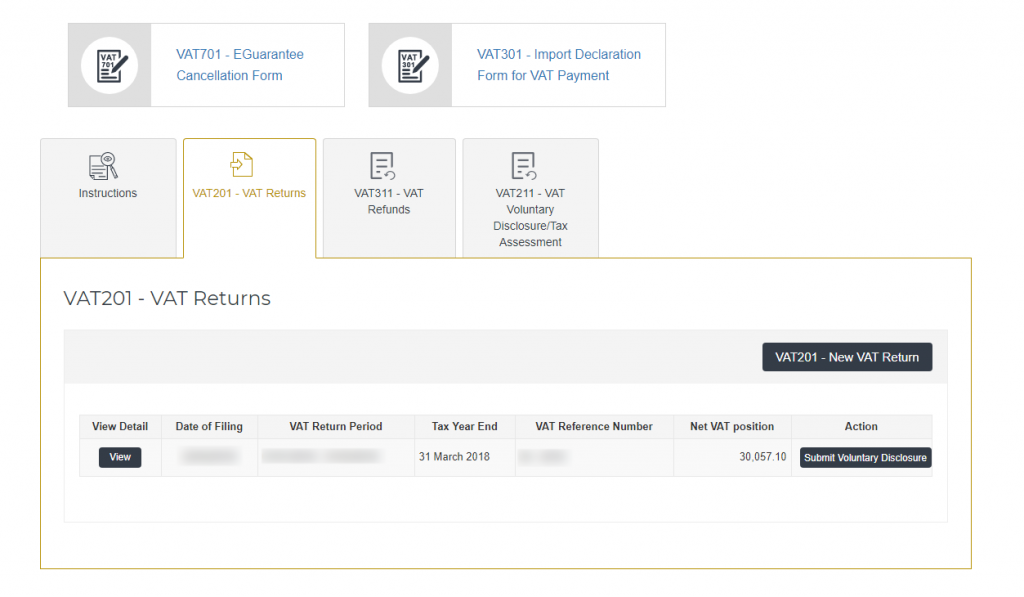
VAT UAE : Voluntary Disclosure Form 211: The Federal Tax Authority (FTA) has introduced a form, VAT voluntary disclosure form- 211 to rectify the errors they committed in their UAE VAT return Form [201]. This disclosure requirement has nothing to do with your VAT return or voluntary registration. The voluntary disclosure referred to is only to be used in the following circumstances if you later discover an error in a VAT return previously submitted.
The law says that if a taxable person becomes aware that a return submitted to the Federal Tax Authority is incorrect, resulting in a calculation of the payable tax being less than required by more than Dh10,000, they can make a voluntary disclosure to the authority within 20 business days once they become aware of the error. This is when you would use this tab and make a voluntary disclosure.
The only exception is If there is no later tax return after the error was discovered. This could occur if the registrant had made an error and then deregistered for VAT. In this case they should make
Saif Chartered Accountants, member of SGA World assures #1 VAT Return Filing Services across UAE.
VERIFY THE DETAIL
Official sources & further reading
- FTA — TAXP005: Tax Procedures Law
- FTA — VAT guides and clarifications, October 2026
- MoF — Tax Procedures Executive Regulation amendments effective April 2026
Source checks support this general guide. Your treatment depends on the facts, tax period and applicable legislation.