

On this page
What you need to know now
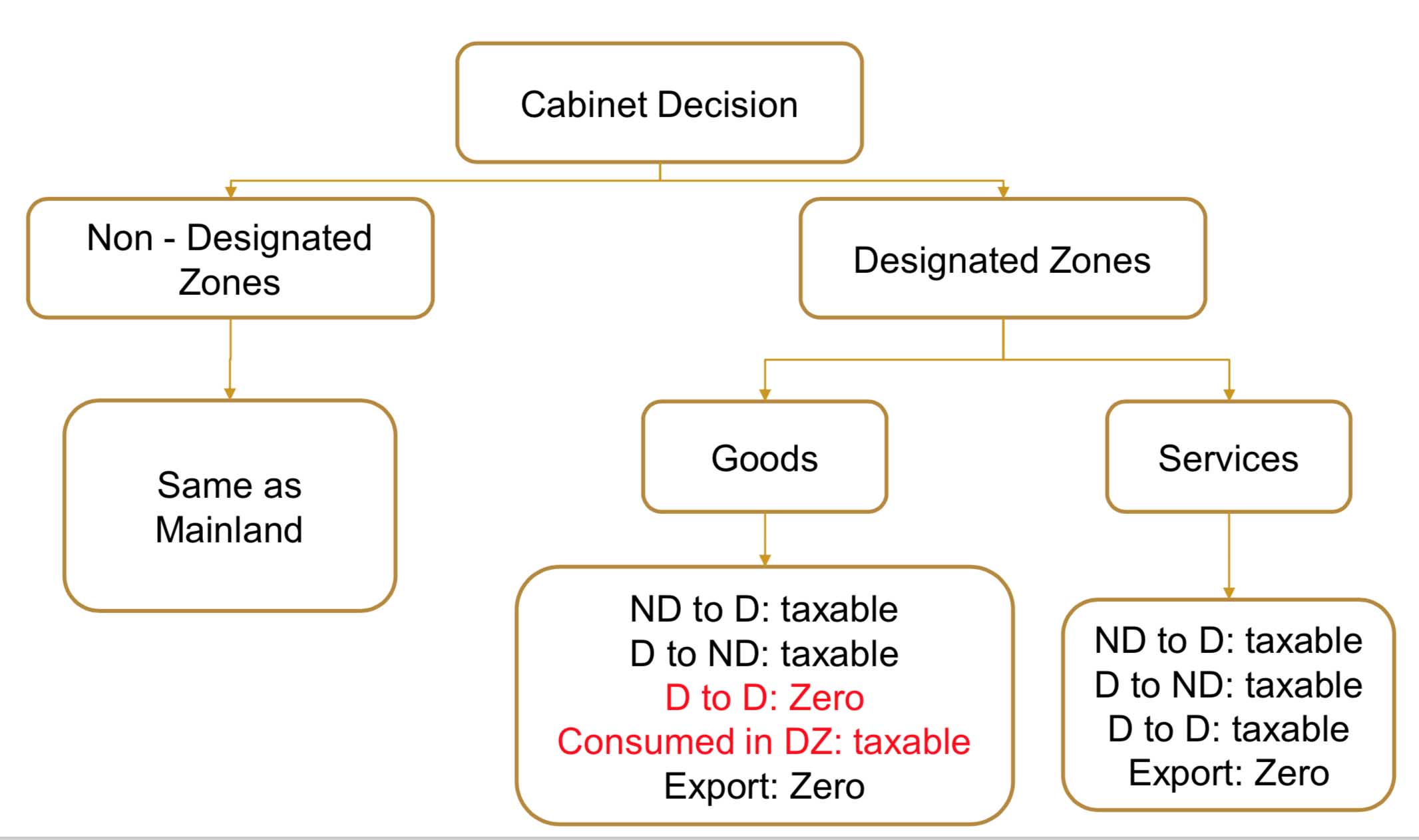
The original free-zone announcement is historical. Current VAT treatment must distinguish ordinary free zones from Designated Zones and assess each transaction.
The original article is preserved below as a historical record. Earlier deadlines, rates, offers and approval statements should not be used as current guidance.
- Do not infer tax treatment from a licence label.
- Keep evidence supporting any special goods treatment.
- Use the current official guide rather than a historical zone count.
Distinguish a free-zone licence from VAT status
The original short announcement belongs to the early VAT rollout. Current analysis needs a clear distinction between a free zone and a VAT Designated Zone. A licence issued by a free-zone authority does not by itself establish that every supply is outside the scope of VAT.
Identify the legal entity, precise location and actual activities. A company may have a registered office in one place while its goods are stored or delivered elsewhere. Record those facts before deciding which VAT provisions apply. Keep this analysis separate from Corporate Tax free-zone treatment, which concerns a different regime.
Trace the goods rather than relying on the address
Special treatment for goods depends on the relevant zone and statutory conditions. Map where the goods come from, where they are held, who receives them and where they are used or delivered. An invoice bearing a zone address does not prove that the full transaction qualifies for special treatment.
A practical goods-flow diagram can connect purchase orders, customs declarations, warehouse movements and customer delivery evidence. Where part of a shipment is consumed or redirected, identify that part separately. Do not apply a single tax code to all movements merely because they share one supplier or warehouse.
Review services as a separate workstream
Services require their own place-of-supply and liability analysis. A business should not extend a conclusion about goods to consulting, rent, support or other services purchased or sold in the zone. The nature of the service and relevant rules remain important.
For example, a company trading goods may also invoice management support to a related entity. Those two income streams should have separate review notes. Staff should understand when a new service or customer changes the analysis instead of assuming the company’s licence establishes one universal VAT treatment for all invoices.
Maintain evidence and revisit the conclusion
Keep a file showing the zone status checked, the transaction facts, supporting documents and legal basis for the treatment adopted. Use the FTA’s current guides, including its clarification distinguishing free zones and designated zones, rather than a historical count or informal list.
Revisit the file when a warehouse moves, a delivery route changes or the contracting entity is replaced. Confirm whether the registration assessment also needs attention. A documented transaction review turns this historically thin page into a useful starting point, while avoiding the misleading claim that free-zone businesses are automatically free from VAT obligations.
YOUR NEXT STEPS
A practical way forward
- 01
Step 1
Confirm the location and relevant zone status.
- 02
Step 2
Separate goods supplies from services.
- 03
Step 3
Review the VAT position before invoicing or moving goods.
CLEAR ANSWERS
Frequently asked questions
Are free zone services automatically VAT-free?
No. Apply the relevant services rules.
Can a historical zone list prove current status?
No. Check the current official position.
Read the original article First published 13 December 2017 · retained for context
This earlier article is preserved for context. Its rates, deadlines, approvals and announcements may have been superseded. Use the current guidance and official references on this page for your next step.
Tax Treatment in Mainland and Non-designated Zones:
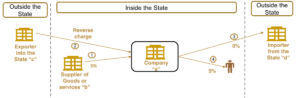
| No | Event | Impact on “a” |
|---|---|---|
| 1 | Supplier “b” inside the State makes supplies to company “a” and charges 5% VAT that will be paid by company “a” | No impact, if A is registered. 5%, if A is not-registered. |
| 2 | Exporter into the State “c” , is outside the State, makes supplies to company “a” inside the State. Company “a” accounts for VAT and deducts the same via its tax return according to the reverse charge mechanism. | – |
| 3 | Company “a” exports goods or services to Company “d” located outside the State. This supply is zero- rated. | – |
| 4 | Company “a” made supplies inside the State and charges 5% VAT and collect tax on behalf of government. | – |
Designated Zone Companies – Inputs:
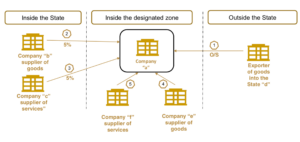
Tax Treatment for Designated Zone Companies – Company Inputs
| No | Satement | Impact on “a” |
|---|---|---|
| 1 | Exporter “d” from outside the state, makes supplies of goods to company “a” located in the designated zone without charging for VAT. Transaction is deemed performed outside the State. | – |
| 2 | Company “b”, a supplier of goods inside the State, makes supplies to company “a” located in the designated zone. Company “b” charges 5% VAT to company “a” and collects tax on behalf of the government. | No impact, if the company is registered. 5%, if the company is a not-registered. |
| 3 | Company “c” makes supplies of services that will be used inside the State, to company “a” located in the designated zone (e.g.: insurance). Company “c” charges 5% of VAT to company “a”. | No impact, if the company is registered. 5%, if the company is a not-registered. |
| 4 | Company “e” supplies goods to company “a” inside the designated zone. No VAT is charged. | – |
| 5 | 5,Company “f” supplies services to company “a” inside the designated zone. Company “f” charges 5% of VAT to company “a” . | No impact, if the company is registered. 5%, if the company is a not-registered. |
Designated Zone Companies – Outputs:
| No | Satement | Impact on “a” |
|---|---|---|
| 1 | Company “a” makes supplies of goods or services to company “b”, which is a registered recipient inside the State: If Company “a” is registered, 5% is charged (either by A or on import) If Company “a” is not registered: no tax for services, and import VAT shall be charged on import to Mainland. | – |
| 2 | Company “a” makes supplies of goods or services to individual, (i.e. recipient who is not registered inside the State): If Company “a” is registered: it charge 5% of VAT to the individual. If Company “a” is not registered: tax shall be charged at customs point for goods. Companies not registered should not provide services. | – |
| 3 | Company “a” in the designated zone made supplies to company “c” outside the State. No VAT shall be charged. | – |
| 4 | Company “a” in the designated zone makes supplies to consumer. No VAT shall be charged. | – |
| 5 | Company “a” in the designated zone makes supplies of goods in the designated zone to company “d” located inside the designated zone without charging VAT. Company “a” in the designated zone makes supplies of services in the designated zone to company “d” located inside the designated zone and charges 5% VAT on behalf of government. | – |
| 6 | Company “a” in the designated zone makes supplies into the designated zone to a consumer. The company charges 5% VAT and collects it on behalf of government. |
VERIFY THE DETAIL
Official sources & further reading
Source checks support this general guide. Your treatment depends on the facts, tax period and applicable legislation.